Pet turf
Is artificial turf good for dogs?
By Fort Mill Artificial Turf · · Updated
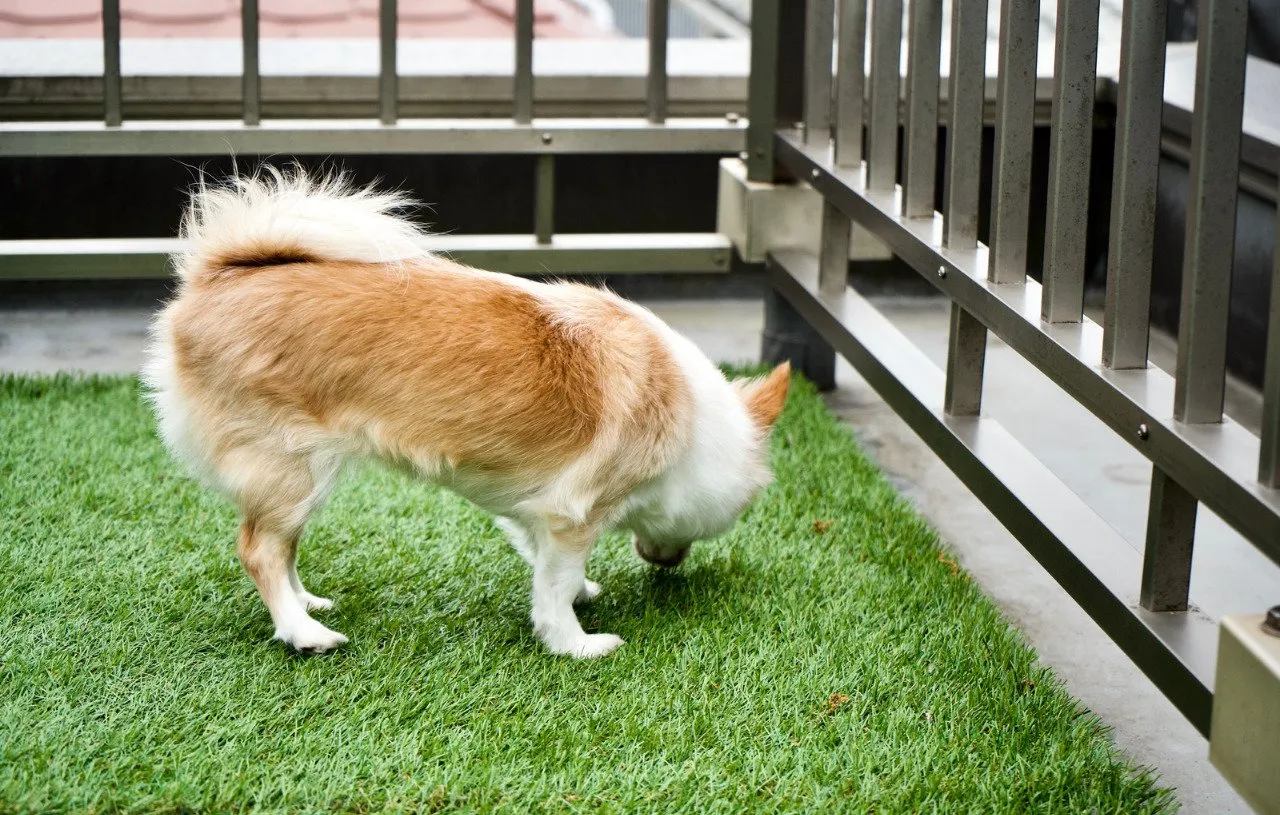
For a lot of dog owners, the answer is yes: artificial turf can be a practical alternative to natural grass, especially in yards with mud, worn paths, heavy pet traffic or tough growing conditions.
But some turf systems suit dogs better than others.
If you’re considering artificial grass for a pet area, these matter most: drainage, cleanup, durability, heat and proper installation.
What are the benefits of artificial turf for dogs?
Active dogs cause a handful of lawn problems, and turf solves most of them.
Less mud and fewer bare spots
Dogs follow the same paths, run the fence line and hit the same spots in the yard over and over.
Grass wears down fast in those spots. You’re left with bare soil, and mud after rain.
Turf gives dogs a consistent surface, and the dead patches and traffic paths don’t show up. The American Kennel Club makes the same point: synthetic turf gives your dog a consistent playing surface without worn traffic patterns.
Easier routine cleanup
You pick up solid waste and rinse the area as needed.
It still needs upkeep (nothing outdoors is maintenance-free), but many owners find it easier than constantly repairing damaged grass or dealing with mud.
No mowing or reseeding
Turf eliminates routine mowing and reseeding.
If your dogs keep wrecking the same sections of lawn, that’s a lot less yard work.
More consistent appearance
A properly maintained turf lawn looks the same even in heavily used pet areas, where natural grass struggles.
Does pet turf drain?
Yes, if it’s installed right. Drainage is where installation quality matters most.
The turf is one layer of a system. Water and other liquids need somewhere to go once they pass through it.
A pet turf installation has to account for:
- Existing grading
- Base material
- Drainage conditions
- Turf permeability
- How heavily the area will be used
- How the space will be cleaned
Poor drainage leads to standing water and odor. That’s why laying turf over an existing yard is a different job than building a proper pet turf system.
Will artificial turf smell if you have dogs?
Pet turf can smell if waste builds up or if drainage and cleaning fall short.
Pet waste doesn’t vanish just because it landed on turf.
Pick up solid waste promptly. Spots where your dogs pee regularly need rinsing and an occasional deeper clean.
With multiple dogs or a concentrated dog run, drainage and maintenance matter even more.
That’s one reason a pet installation gets planned differently from a decorative lawn.
Does artificial turf get hot for dogs?
Yes. It’s a real drawback, and you should know about it.
Artificial grass gets hot in direct sunlight. The American Kennel Club cautions that it can get hot enough, like pavement and other outdoor surfaces, to cause discomfort, blisters and burns to a dog’s paw pads.
During hot weather:
- Check the surface before allowing extended play
- Provide shaded areas
- Make sure fresh water is available
- Limit outdoor time during the hottest part of the day
- Consider how much direct sun the installation area receives
Shade matters even more for dogs, because they don’t regulate body temperature as efficiently as humans do.
Is artificial turf safe for dogs?
It depends, because artificial turf products and systems vary.
Ask your installer or the manufacturer what’s in the specific turf, backing, infill and other components they’re proposing, and don’t take “pet-safe” on faith.
Most research on synthetic turf has looked at human exposure and athletic fields. Little of it covers residential pet turf. Federal agencies have studied materials like the recycled tire crumb used in some synthetic fields, and the EPA’s research into potential exposures has continued over time.
For a residential dog yard, judge the specific product and complete installation system. Broad claims that all artificial turf is inherently safe (or unsafe) tell you very little.
What should you look for in artificial grass for dogs?
If dogs will use the area regularly, prioritize these features.
Good drainage
A pet area has to move liquids through the surface and base.
The drainage design under the turf matters at least as much as the turf.
Durability
Dogs running, turning and playing put more stress on a lawn than light foot traffic does.
Choose a turf built for the level of use you expect.
The right blade height and density
For pets, the best product balances appearance, durability and ease of cleaning.
Secure installation
Edges, seams and transitions need careful installation so the finished area stays stable under regular use.
Easy maintenance
Ask how the manufacturer recommends cleaning the specific turf product, especially for spots where dogs pee often.
Can artificial turf stop dogs from digging?
It cuts off access to bare soil in the installed area, which can curb some digging.
But turf won’t fix the behavior. A determined dog can still dig at edges, borders and other parts of the yard.
If your dog is a serious digger, edge installation matters even more.
Can you use artificial turf for a dog run?
Yes. A dog run is one of the places turf makes the most sense.
Grass inside a fenced dog run struggles because dogs use the same small area over and over.
Turf gives you a consistent surface for:
- Backyard dog runs
- Side-yard runs
- Kennel areas
- Designated potty areas
- Multifamily pet spaces
Plan for drainage and cleaning from the start when you design these areas.
How do you maintain artificial turf with dogs?
Pet turf takes less lawn care than natural grass, but it still needs regular attention.
A simple routine looks like this:
- Pick up solid waste promptly
- Rinse frequently used areas as needed
- Remove leaves and other debris
- Brush high-traffic areas when necessary
- Follow the turf manufacturer’s cleaning recommendations
- Fix persistent odors at the source
How often you clean depends on the size of the space and how many dogs use it.
One dog in a big backyard is a different job than several dogs in a small run.
Artificial turf vs. natural grass for dogs
Neither option is best for every home.
Natural grass makes more sense if:
- Your lawn already grows well
- Pet traffic is light
- You prefer a natural surface
- Lawn maintenance isn’t a concern
Turf makes more sense if:
- Your dogs create persistent bare spots
- Mud is a recurring problem
- Grass struggles in the area
- You want to reduce mowing and reseeding
- You have a dedicated dog run
- You want a more consistent surface
The condition of your yard and how your dogs use it should drive the decision.
Is artificial turf worth it for dog owners?
For the right property, yes.
Turf helps most if you’re dealing with mud, worn grass, heavy traffic or a dedicated pet area.
But the quality of the finished space comes from the whole installation.
For a pet installation, pay attention to:
- Drainage
- Base preparation
- Turf selection
- Edge and seam installation
- Cleaning requirements
- Sun exposure
Those details decide how practical the yard is once your dogs use it every day.
Considering pet turf in Fort Mill?
Dealing with muddy paws, worn-out grass or a dog run that never stays clean? We can evaluate the space and tell you whether pet turf is a good fit.
Fort Mill Artificial Turf installs pet turf in Fort Mill, Tega Cay and Indian Land. If you’re weighing it against a full lawn replacement, our residential turf page covers that side of it.
Request a free site assessment and we’ll look at your yard, your drainage and how your dogs use the space.
Thinking about pet turf for your yard?
Free site assessments in Fort Mill, Tega Cay and Indian Land.